
Waveform Analysis: Aruarian Dance

Waveform analysis of a representative song.
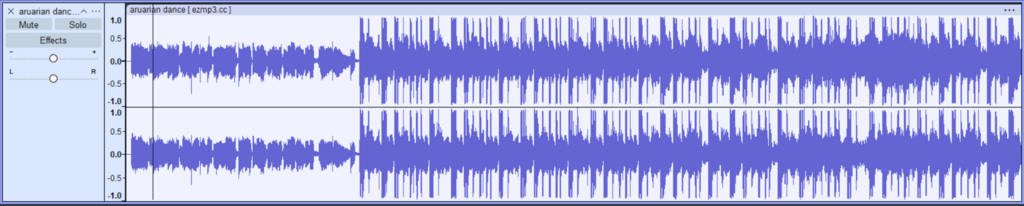
Figure 1: Complete waveform visualization showing the dynamic structure of "Aruarian Dance"

The full waveform reveals key Lo-Fi characteristics:

  • Dynamic variation: Notice the alternating sections of lower and higher amplitude, creating a natural rhythm that avoids the fatigue of consistently compressed modern productions
  • Headroom preservation: The peaks remain below maximum amplitude (±1.0), allowing the music to breathe rather than being maximized for loudness
  • Rhythmic consistency: The regular pattern of transients creates the predictable, head-nodding beat that helps maintain focus during study sessions

Figure 2: Zoomed waveform section showing detailed ADSR (Attack, Decay, Sustain, Release) patterns

This close-up view reveals the envelope characteristics that define Lo-Fi percussion and instruments:

  • Attack: Moderately fast rises in amplitude preserve the natural impact of drum hits without the aggressive attack of heavily processed beats
  • Decay: Natural decay curves suggest minimal compression, maintaining the organic quality of sampled instruments
  • Sustain: The consistent low-level activity between peaks represents background textures and melodic elements that create the "warm blanket" effect
  • Release: Gradual rather than abrupt endings to sound events contribute to the relaxed, laid-back character

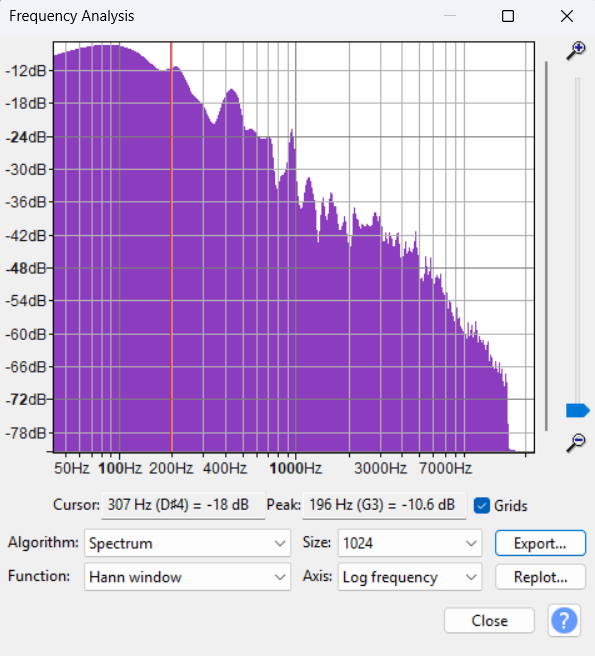
Figure 3: Frequency spectrum showing the distribution of energy across the audible range

The frequency analysis demonstrates classic Lo-Fi frequency treatment:

  • Bass emphasis (20-250 Hz): The prominent peak at 196 Hz (-10.6 dB) anchors the track with warm, rich bass content
  • Low-mid presence (250-500 Hz): Sustained energy around 307 Hz (-18 dB) adds body without muddiness
  • Mid-range contouring (500-2000 Hz): The gentle slope through the midrange avoids harshness and listening fatigue
  • High-frequency attenuation (2000+ Hz): The progressive roll-off of higher frequencies creates the vintage, slightly muffled character that defines Lo-Fi

This frequency profile is deliberately engineered to create a sound that can be listened to for extended periods without causing listening fatigue.

Figure 4: Spectrogram showing frequency content over time with color indicating intensity

The spectrogram reveals the time-based frequency characteristics:
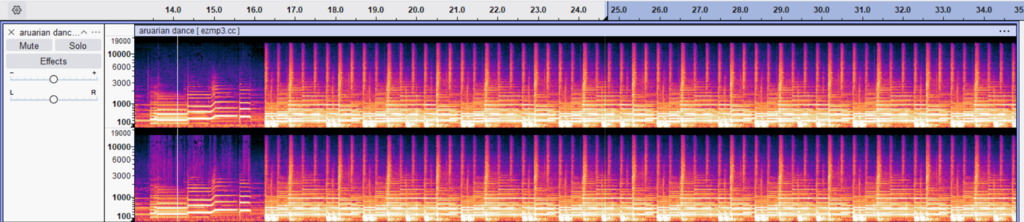
  • Rhythmic structure: Regular vertical energy bands show the consistent beat pattern that provides a steady cognitive anchor
  • Lo-Fi textures: The consistent background energy (blue/purple haze) across the spectrum indicates the subtle noise elements like vinyl crackle or tape hiss that add character
  • Harmonic content: Horizontal bands in the lower frequencies represent sustained tones and melodic elements
  • Frequency filtering: The reduced intensity in upper frequencies confirms the deliberate high-frequency attenuation that creates the signature Lo-Fi sound

Transcription Analysis:

 Analysis of the most common notes in the song.
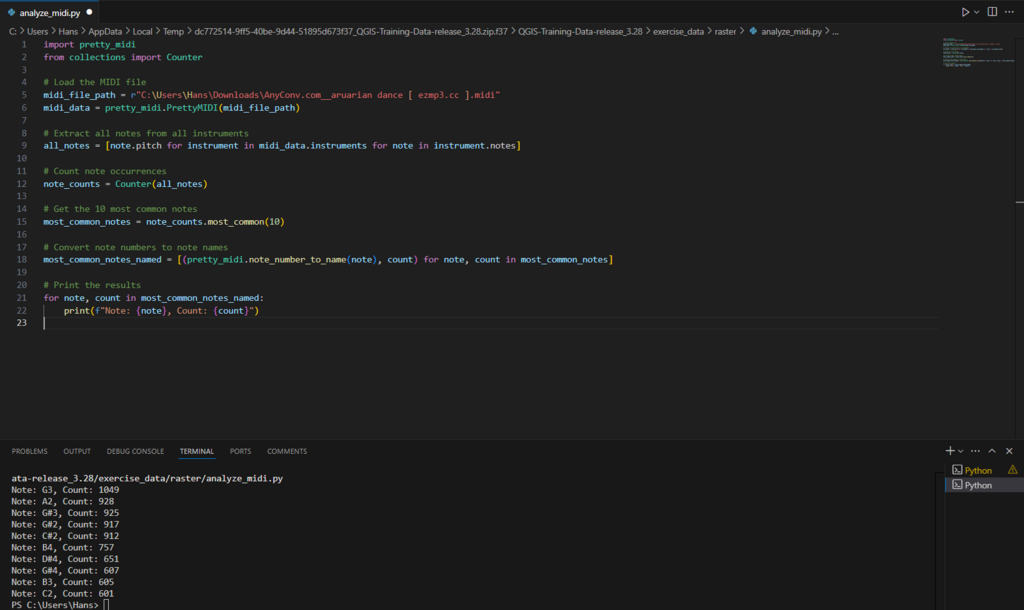
Most Common Notes:

Most common notes:

    Note: G3, Count: 1049

    Note: A2, Count: 928

    Note: G#3, Count: 925

    Note: G#2, Count: 917

    Note: C#2, Count: 912

    Note: B4, Count: 757

    Note: D#4, Count: 651

    Note: G#4, Count: 607

    Note: B3, Count: 605

    Note: C2, Count: 601

Figure 2: Intonation (pitch) analysis

This close-up view reveals the envelope characteristics that define Lo-Fi percussion and instruments:

  • Dense cluster of notes concentrated in lower-mid range
  • Key: Ab Minor
  • Alt Key: 1A
  • BPM: 95